The U.S. Stores 94% of Its Electricity Using Water Reservoirs
Contrary to popular belief, most electricity in the United States is not stored in batteries. Instead, it is stored using pumped hydroelectric reservoirs.
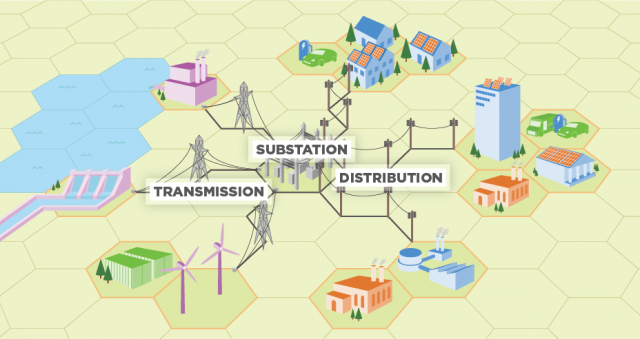
Why Electricity Storage Matters
The electric power grid constantly balances electricity supply and demand. When production is higher than consumption, electricity can be stored and released later when demand increases.
This process helps utilities operate more efficiently, reduces the risk of power shortages during peak demand, and makes it easier to integrate renewable energy sources such as solar and wind.
How Electricity Is Stored
- Pumped Hydroelectric Storage: Water is pumped into a high reservoir when electricity supply is high, then released through turbines when electricity demand increases.
- Compressed Air Storage: Electricity compresses air that is stored underground and later released to generate power.
- Flywheels: Energy is stored as rotational kinetic energy in a spinning rotor.
- Large Battery Systems: Industrial-scale rechargeable batteries store electricity until it is needed.
- Thermal Storage: Electricity creates heat or cold energy (like ice or chilled water) that can later be used when demand peaks.
Electricity Storage in the United States
According to data from the U.S. Department of Energy, the United States had more than 25 gigawatts of electricity storage capacity as of 2018.
Around 94% of this capacity comes from pumped hydroelectric storage, where water is pumped into a reservoir and later released through turbines to generate electricity.
The remaining 6% includes technologies such as batteries, compressed air systems, thermal storage, and flywheels.
Environmental Impact
- Energy storage helps integrate renewable sources such as solar and wind into the power grid.
- It allows power plants to operate more efficiently and reduces reliance on backup generators.
- Energy storage can delay the need to build additional power plants or transmission lines.
- Some technologies have environmental concerns, especially batteries that rely on materials like lithium or lead.
Sources and Related Reading
- EPA — Electricity Storage — Official source
- Charlie Kirk News — Internal link
- Annunciation Catholic School — Internal link
Find the Perfect Amazon Gift Card — Your Guide to Gifting Smart 🎁
Choosing the right Amazon gift card can be confusing. That’s why I’ve hand-picked the best options for birthdays, holidays, and surprises — so you can gift with confidence.

Amazon.com Gift Card in a Box
50$
Physical-style gift card — delivered digitally. Perfect for birthdays.
Amazon.com eGift Card - Email Delivery
25$
Send instantly via email. Best for last-minute gifts.
Why trust my picks?
I review and organize the most useful Amazon gift cards, so you don’t waste time scrolling endlessly. My goal is to make gifting stress-free and meaningful.
💡 Share Your Advice
Help us make our website even better by leaving your feedback below.